
Grow Light Comparison: Wholesale vs. Manufacturer Performance Insights
As a B2B buyer, I know the importance of making informed decisions when it comes to sourcing grow lights. With our comprehensive Grow Light Comparison, I can quickly evaluate different options tailored for wholesale and manufacturer needs. Each product is meticulously analyzed, ensuring that I get the most efficient lighting solutions available. Whether I’m interested in LED systems or traditional setups, I find clear insights on performance, energy efficiency, and lifespan. This information empowers me to choose the right grow lights that align with my business goals, enhancing plant growth while minimizing costs. Plus, connecting with reputable manufacturers ensures I'm getting quality products that meet industry standards. When I’m ready to place an order, I appreciate the straightforward purchasing options that are available. With the right grow lights, my operations can thrive, and my plants will flourish, maximizing both productivity and profitability.
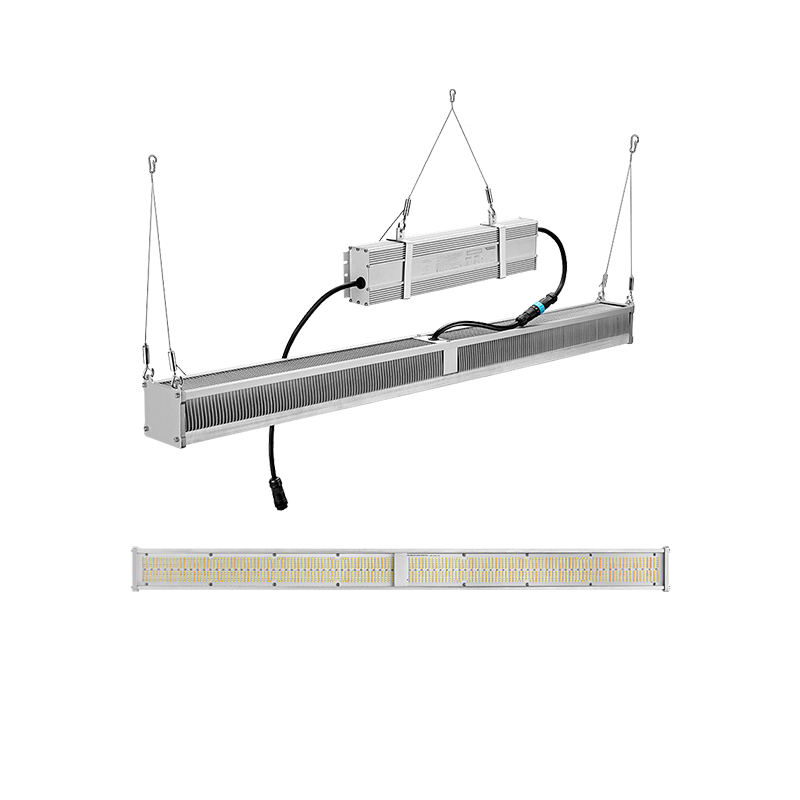
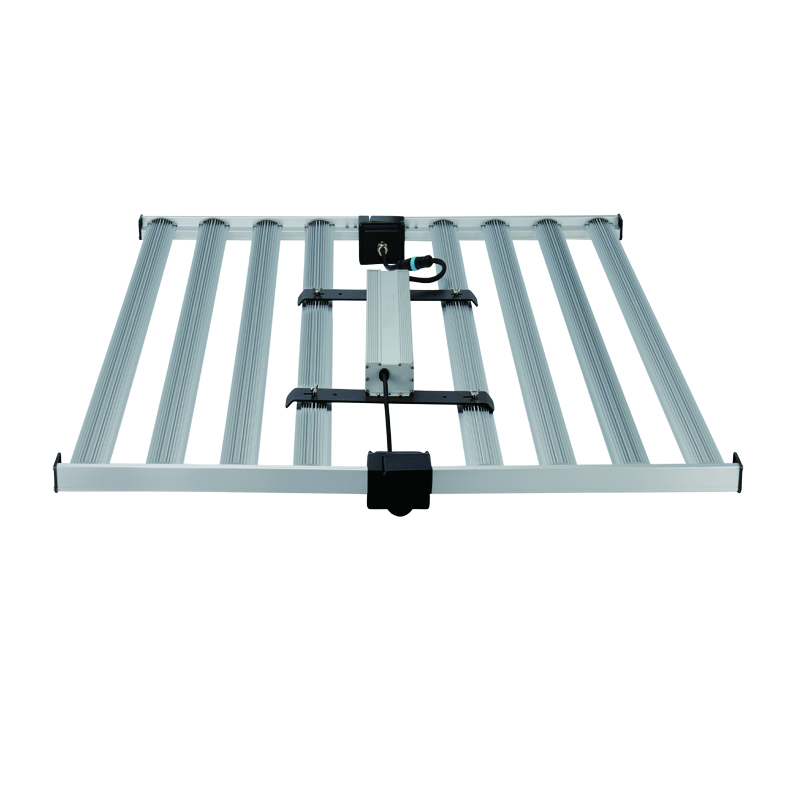
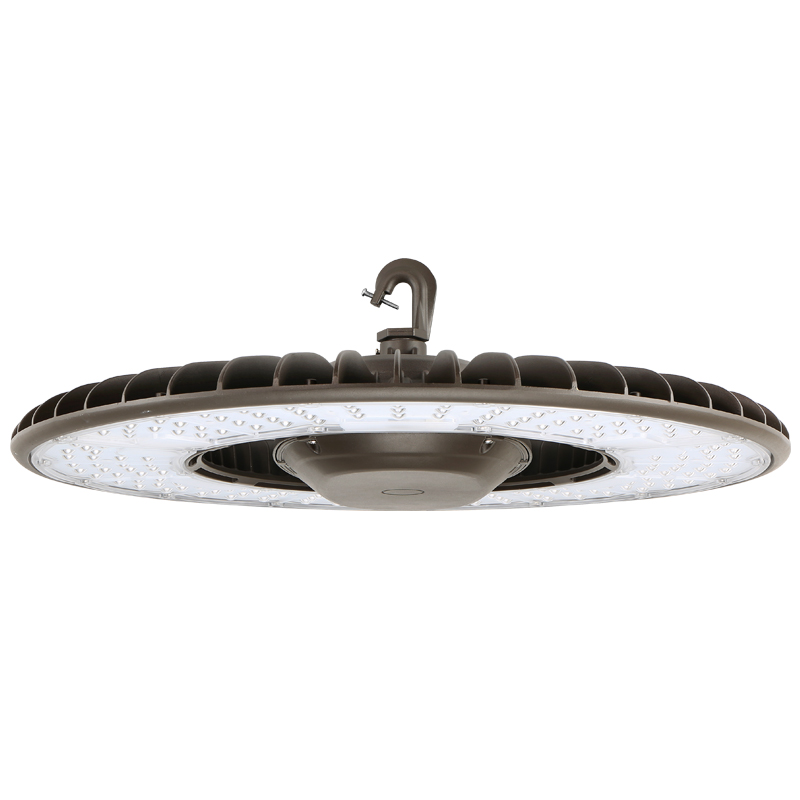
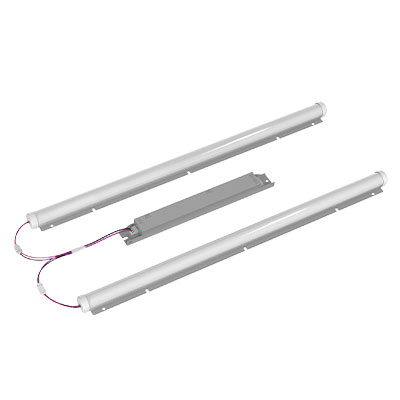
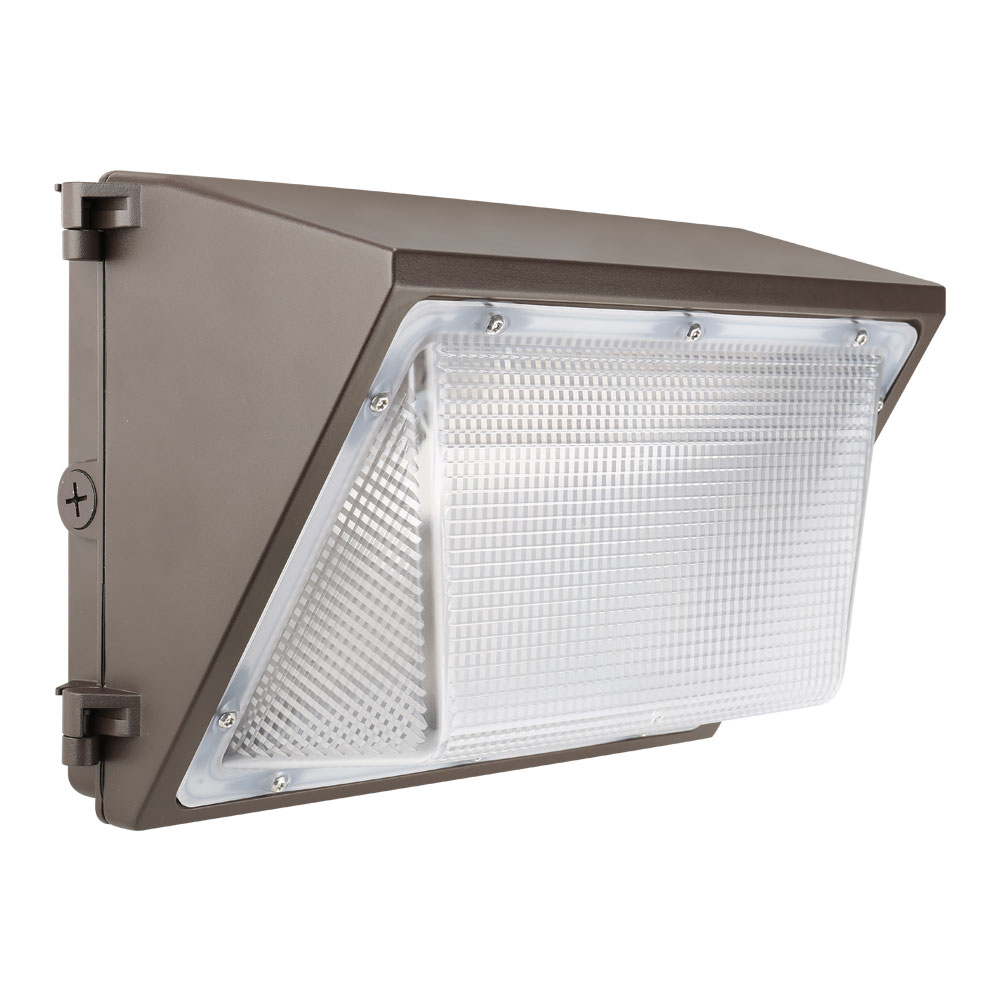
Grow Light Comparison Leads the Global Market Outperforms the Competition
In the rapidly evolving horticultural lighting market, the demand for efficient and high-performance grow lights has skyrocketed. As global procurement trends shift towards sustainable farming and indoor gardening, understanding how to choose the right grow light can be overwhelming. Our comprehensive comparison of various grow light technologies reveals why certain options stand out in the market, delivering superior outcomes and outperforming competitors. LED grow lights have emerged as a clear favorite among professionals and hobbyists alike. Their energy efficiency, long lifespan, and versatile spectrum capabilities make them a prime choice for a variety of applications, from commercial greenhouses to residential setups. By analyzing factors such as light output, energy consumption, and heat management, we help prospective buyers navigate the landscape of available options. Our in-depth research indicates that selecting the right grow light not only enhances plant growth but also translates into significant cost savings and reduced environmental impact. As the market continues to expand, maintaining awareness of the latest advancements in technology is crucial for every buyer. From innovative spectral tuning to smart integration capabilities, these features are rapidly becoming the new standards in horticultural lighting. By leveraging this knowledge, global purchasers can stay ahead of the competition, ensuring that their investments lead to successful and sustainable cultivation practices. Ultimately, selecting the right grow light can significantly influence the quality and yield of crops, underscoring the importance of informed decision-making in today's competitive market.
Grow Light Comparison Leads the Global Market Outperforms the Competition
| Dimension | Product A | Product B | Product C | Product D |
|---|---|---|---|---|
| Light Output (PPFD) | 600 μmol/m²/s | 500 μmol/m²/s | 550 μmol/m²/s | 630 μmol/m²/s |
| Energy Consumption (W) | 135 W | 120 W | 140 W | 150 W |
| Lifespan (Hours) | 50000 | 40000 | 45000 | 55000 |
| Color Spectrum | Full Spectrum | Red/Blue | Full Spectrum | Full Spectrum |
| Warranty (Years) | 5 | 3 | 4 | 5 |
Related Products
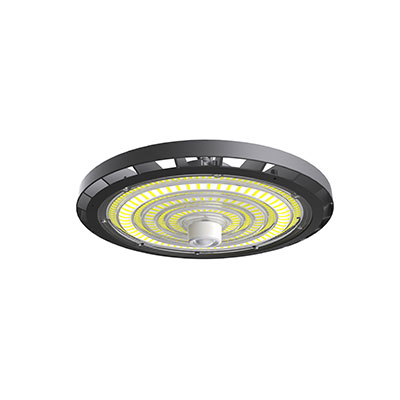
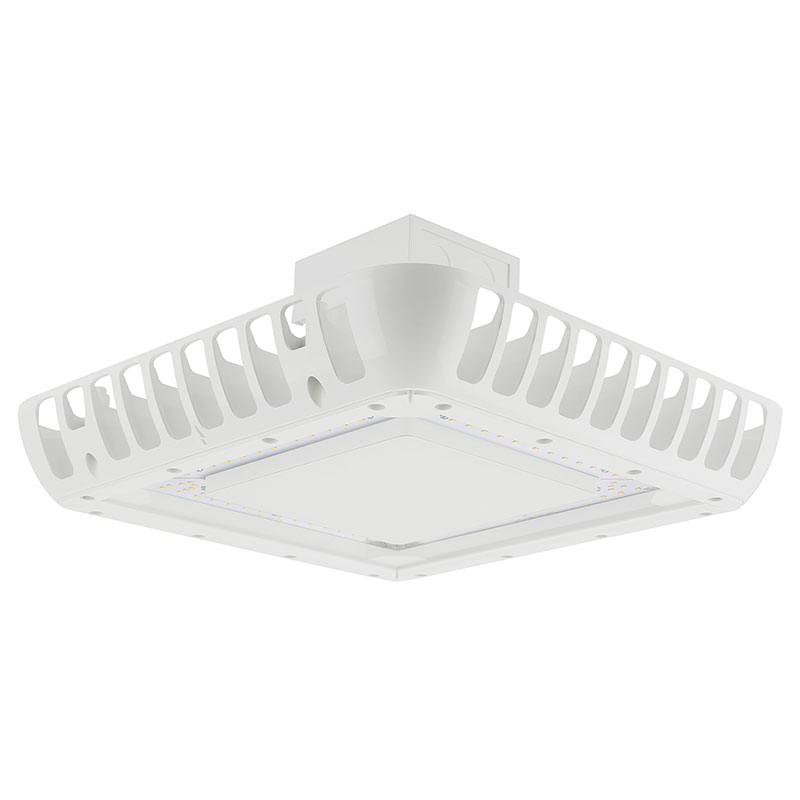
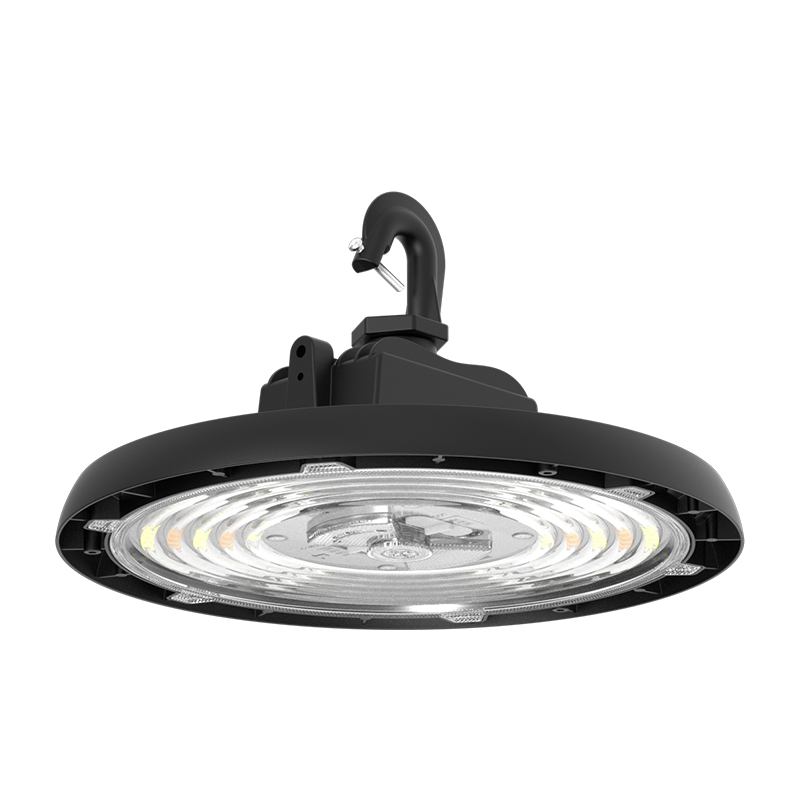
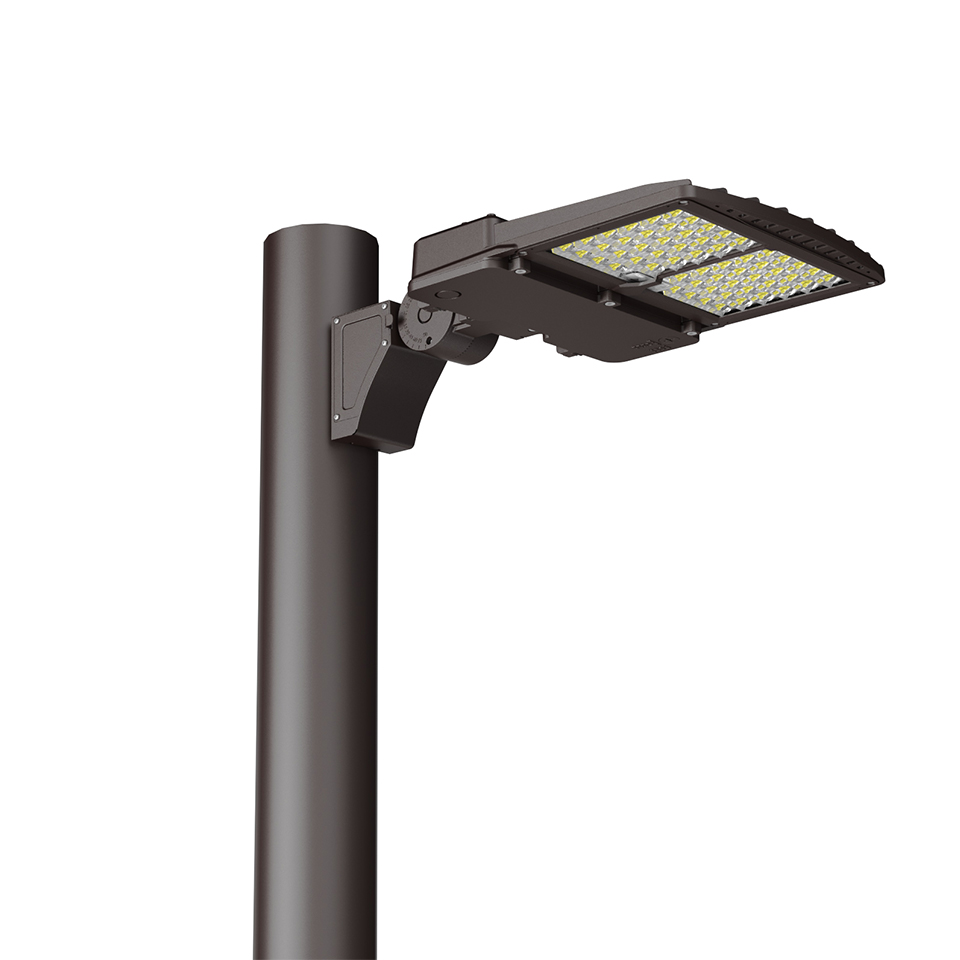
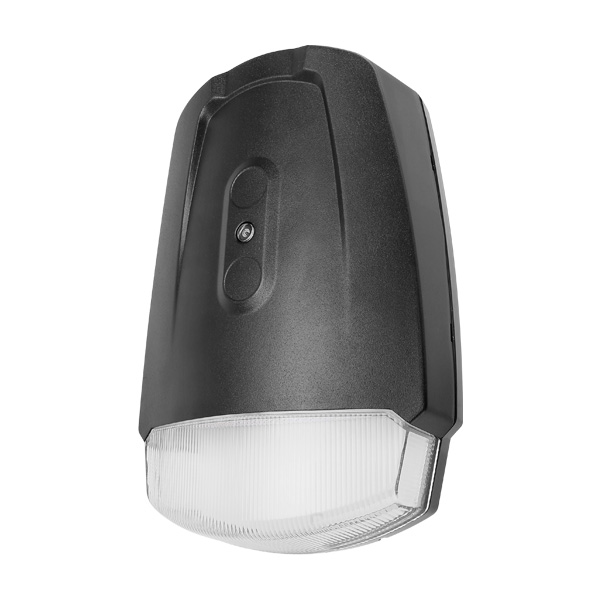
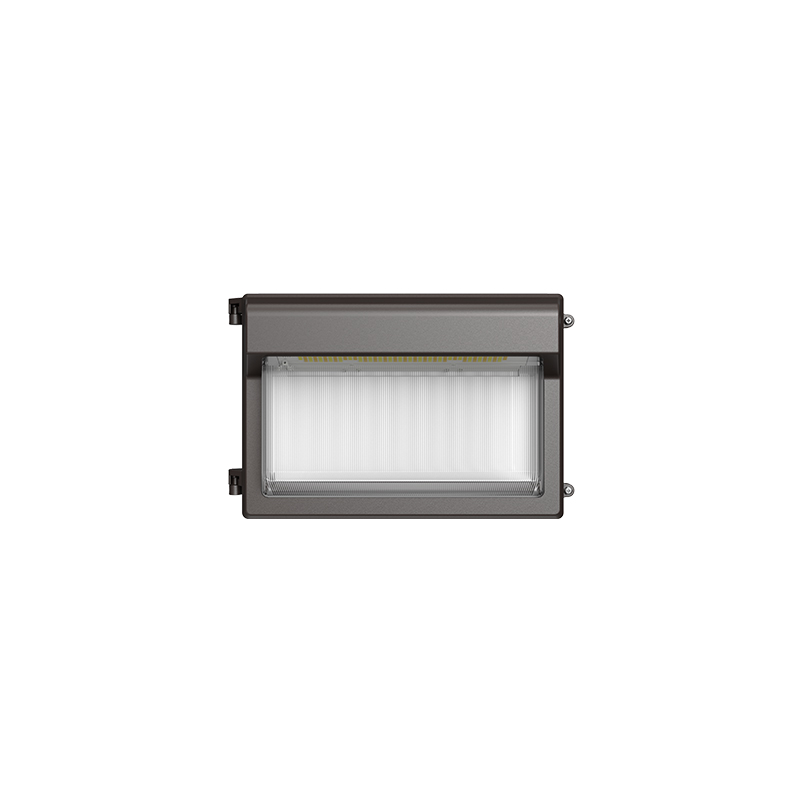

Grow Light Comparison Industry Giant Your Trusted OEM Partner
Top Selling Products
- Related Blog
- Reviews

-

E-mail
-

Phone