
Do Grow Lights Use A Lot Of Electricity? High-Quality Supplier Insights
Are you curious if grow lights use a lot of electricity? As a high-quality supplier, I understand that energy efficiency is a key concern for businesses like yours. Our advanced grow lights are designed to provide maximum output while keeping electricity consumption low. You won't have to worry about skyrocketing electricity bills, even when using them for extended periods. I’ve seen firsthand how our products can optimize plant growth without compromising on energy efficiency. With our grow lights, you get brighter, healthier plants without the hefty power costs. It's a smart investment for your operations. Let’s talk about how our solutions can work for you and help you achieve your business goals while staying mindful of energy use. Quality and efficiency go hand in hand with our grow lights, making it easier to enhance your productivity sustainably. Reach out today to learn more!
Do Grow Lights Use A Lot Of Electricity Supplier Pioneers in the Field
As the demand for indoor gardening and horticulture continues to rise, understanding the energy consumption of grow lights becomes increasingly important for businesses and consumers alike. Grow lights, while essential for providing the necessary light spectrum for plant growth, can vary significantly in their electricity usage depending on the technology employed. LED grow lights, for instance, are known for their energy efficiency, consuming considerably less electricity compared to traditional HID or fluorescent lighting options. This not only helps in reducing energy bills but also plays a crucial role in minimizing the carbon footprint associated with indoor gardening. For global buyers, selecting the right grow light is not just about effectiveness; it’s also about sustainability and cost-efficiency. Evaluating the wattage, lifespan, and heat output of grow lights can provide insights into long-term operational costs. Moreover, many manufacturers now offer products with smart technologies that help optimize energy usage, ensuring plants receive adequate light without excessive energy expenditures. Understanding these factors is key for procurement managers looking to invest in reliable, energy-efficient lighting solutions that align with eco-friendly practices. As pioneers in the field, manufacturers are continually innovating to produce advanced lighting solutions that cater to diverse horticultural needs while addressing energy efficiency. Buyers can benefit from exploring the latest developments in grow light technology, which include customizable spectrum outputs and integrated control systems designed to further reduce electricity consumption. By making informed choices, businesses can support sustainable practices, improve plant yields, and ultimately achieve a favorable return on investment.
Do Grow Lights Use A Lot Of Electricity? Supplier Pioneers in the Field
| Light Type | Power Consumption (W) | Lumens Output | Lifespan (Hours) | Energy Efficiency (PPF/W) |
|---|---|---|---|---|
| LED | 100 | 20000 | 50000 | 2.0 |
| CFL | 55 | 3000 | 10000 | 0.5 |
| HID | 400 | 90000 | 20000 | 1.0 |
| Incandescent | 60 | 800 | 1200 | 0.1 |
Related Products
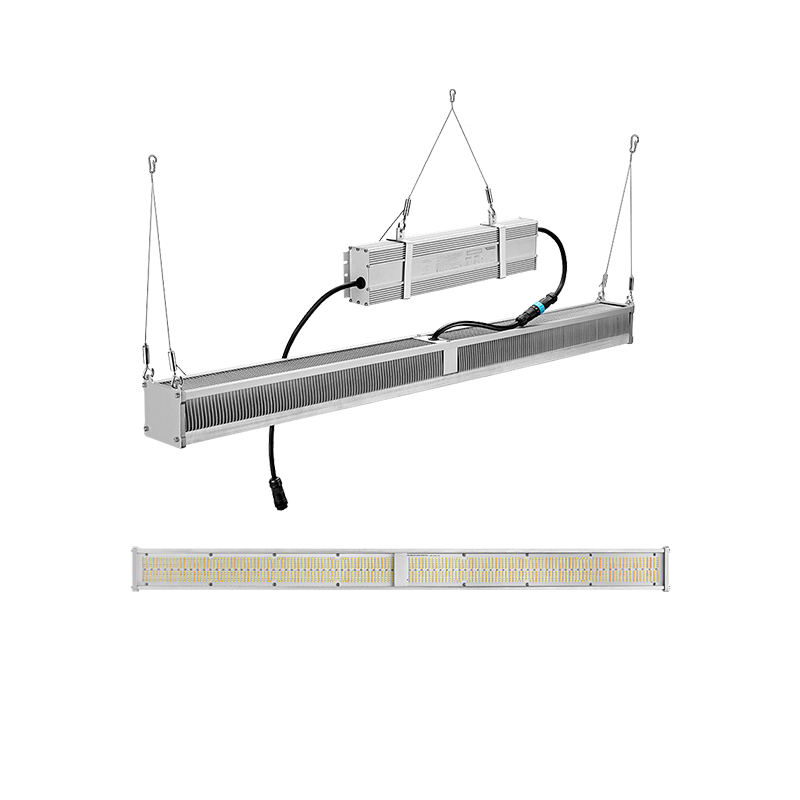
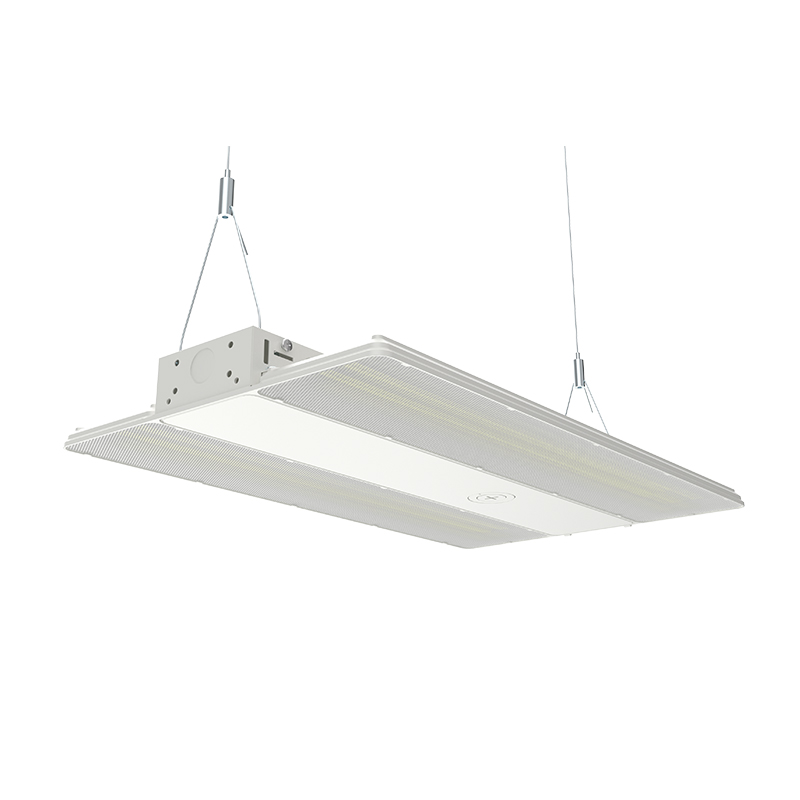

Do Grow Lights Use A Lot Of Electricity Trusted by Pros Your End-to-End Solution
Top Selling Products
- Related Blog
- Reviews

-

E-mail
-

Phone