

Architectural Linear Lighting: Definition, Characteristics, Benefits & Versatility for Modern Spaces
In the evolving world of architectural and interior lighting, linear lighting has emerged as a game-changing solution, blending functionality, aesthetics, and energy efficiency. Designed to elevate spaces from homes to commercial buildings, this modern lighting option is redefining how we illuminate our environments—while optimizing for Google search visibility with key insights into its definition, unique traits, and practical advantages.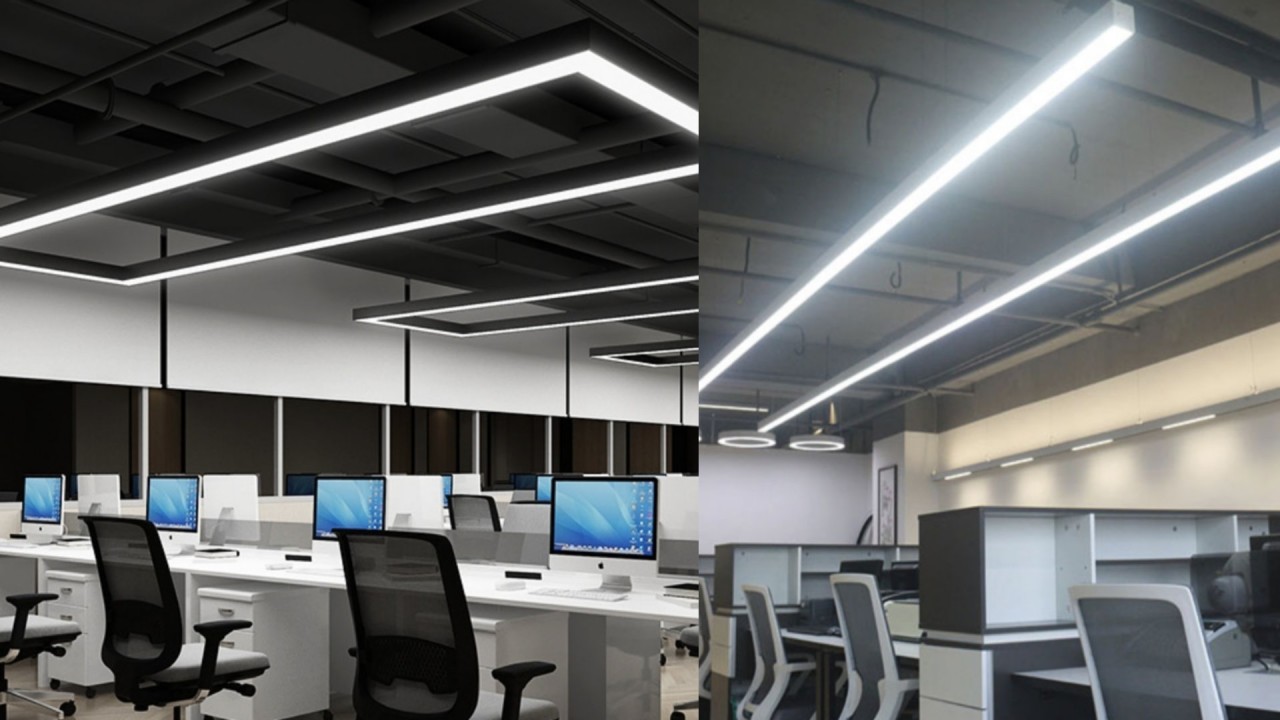
What Is Linear Lighting? A Clear Definition
Architecture Linear lighting refers to long, elongated light fixtures arranged in a continuous line (or customizable configurations) to deliver uniform illumination across a space. Unlike traditional round or square ceiling lights, linear fixtures feature a slim, streamlined design that prioritizes both form and function. Available in three primary installation types—surface-mounted, recessed (Surface/Wall Mount), and suspended (pendant-style)-they seamlessly integrate into any design scheme, from minimalist homes to high-end commercial spaces.
Transform Your Space with Linear Lighting
Linear lighting is more than just a lighting solution—it’s a design element that elevates spaces, improves functionality, and reduces costs. With its unique combination of aesthetics, versatility, and efficiency, it’s no wonder linear lighting is becoming the go-to choice for modern homes and businesses worldwide.
Ready to discover how linear lighting can transform your space? Contact [Your Company Name] today to speak with our lighting experts, or browse our product collection to find the perfect solution for your needs.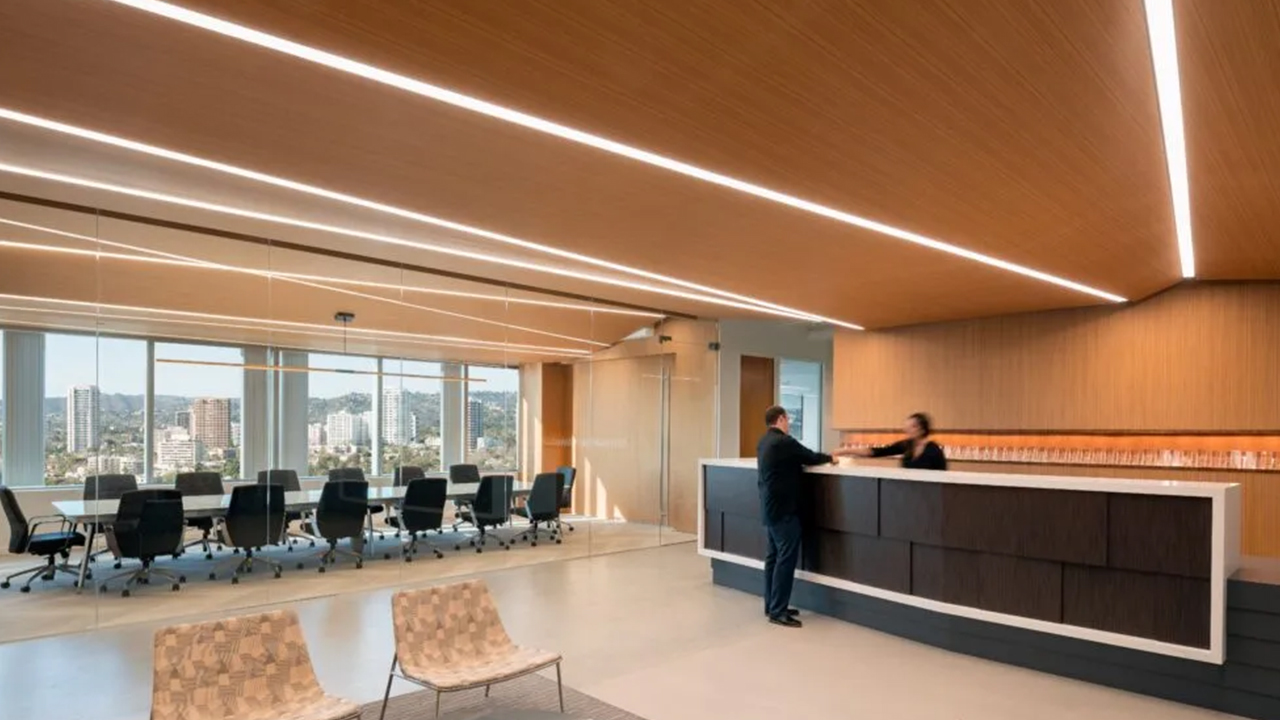
Unique Characteristics of Linear Lighting
Architectural Linear lighting stands out from conventional lighting solutions thanks to its distinct features, which make it a top choice for designers, architects, and business owners alike:
- Uniform Illumination: Delivers steady, consistent light across the entire fixture length, eliminating dark spots and creating a balanced, eye-friendly environment—critical for spaces where clarity and comfort matter most.
- Sleek, Versatile Design: Beyond straight lines, modern linear fixtures can be customized into curves, arcs, or angled configurations, allowing for creative expression while blending seamlessly with interior decor.
- Energy Efficiency (LED-Centric): Most linear lighting solutions use LED technology, offering significant energy savings (up to 75% compared to incandescent lights), a long lifespan (50,000+ hours), and minimal maintenance needs—reducing long-term costs for homes and businesses.
- Space-Enhancing: The elongated design creates a sense of depth and width, making small spaces feel larger and large spaces feel more cohesive and polished.
Key Benefits of Linear Lighting for Homes & Businesses
Architectural Linear lighting is more than just a stylish choice—it’s a practical investment that delivers tangible benefits for both residential and commercial applications:
1. Aesthetics & Design Flexibility
Linear fixtures add a contemporary, sophisticated touch to any space. Whether used as ambient lighting in a living room, task lighting in a kitchen, or accent lighting in a retail store, their clean lines and customizable shapes allow designers to create unique, eye-catching layouts that reflect brand identity or personal style. Unlike bulky traditional lights, linear fixtures blend into ceilings, walls, or furniture, maintaining a clutter-free, modern look.
2. Superior Performance & Comfort
The even light distribution of linear lighting reduces glare and eye strain, making it ideal for spaces where people spend long hours—such as offices, schools, hospitals, and home offices. LED linear lights also offer adjustable brightness and color temperature (warm white to cool white), allowing users to tailor the lighting to their needs, whether working, relaxing, or showcasing products.
3. Versatility Across Applications
Linear lighting is highly adaptable, fitting seamlessly into a wide range of spaces: Residential: Kitchen under-cabinet lighting, living room ambient lighting, bedroom accent lighting, and hallway illumination.Commercial: Office open floors, retail store displays, hotel lobbies, restaurants, and healthcare facilities.Industrial: Warehouses, factories, and production facilities, where bright, uniform light is essential for safety and productivity.
4. Cost-Effective & Sustainable
LED linear lighting’s long lifespan and energy efficiency translate to lower utility bills and reduced replacement costs over time.
Post time: Feb-26-2026